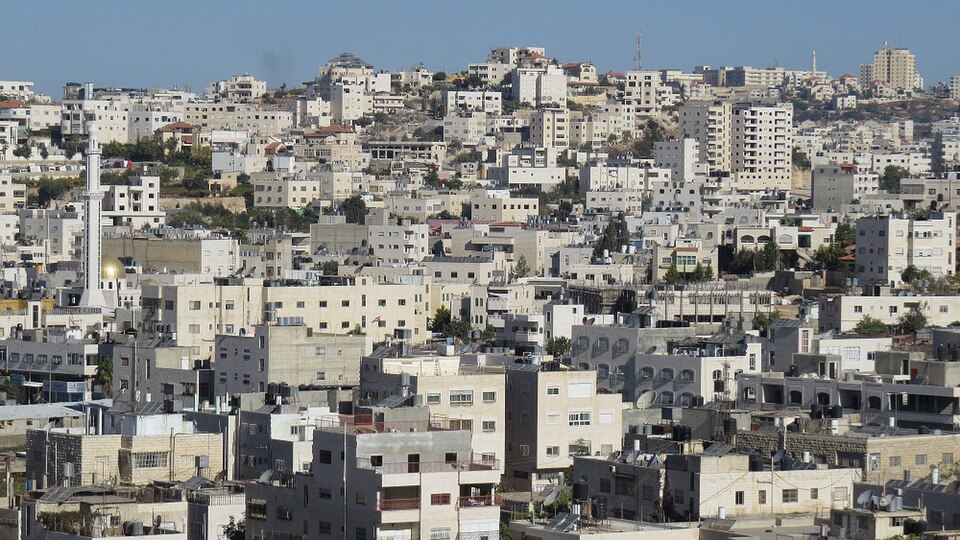
More families have left the area around Al-Quds Open University in Hebron amid a threat to expand the Israeli operation and restrictions on movement, WAFA reported.
A new warning in the city
The agency reported on Sunday that forces had reinforced their presence in closed areas and used loudspeakers to announce that the operation would continue. It described restrictions near al-Jalda and Deir Bahha, and fears that the military presence in Palestinian neighbourhoods could last longer. WAFA
Government measures for urgent needs
Before the latest developments, the Palestinian cabinet approved emergency support for Hebron Municipality, according to a statement carried by WAFA. It directed health insurance coverage for displaced families in need through year-end and faster building-permit procedures in affected areas. The response therefore covers different living, medical and administrative needs: losing access to a home also raises questions about continuing treatment and repairing property. These are announced measures, rather than confirmation that every family has received assistance. WAFA
Disrupted services and access to households
The UN humanitarian coordination office describes disruption to education and health services. Schools shifted to remote learning, while some health locations became inaccessible and mobile clinic activities were adjusted. Most essential medicines remained available in the hospitals discussed, alongside shortages of medicines for chronic diseases and cancer. The report also said most displaced families were staying with relatives. This makes family hosting and continuity of services part of the response alongside direct assistance. UN OCHA oPt
Livelihoods under earlier restrictions
Difficulties with movement predate the current operation. In a March account, the International Committee of the Red Cross described how checkpoints affected residents’ access to work and services in Hebron’s restricted area. It presented vocational training and small-business grants, including home-based work using digital marketing or computer tools to expand activities. These are examples of livelihood support under restrictions, not results of a response to the current operation. They illustrate why residents’ needs include the ability to work and retain income alongside immediate relief. ICRC