IBS symptoms: why not every episode of bloating is IBS
1 min read, estimated
IBS may involve abdominal pain, bloating, diarrhoea or constipation, with fluctuating symptoms
حنين الإخبارية · From the Haneen News archive · Updated:
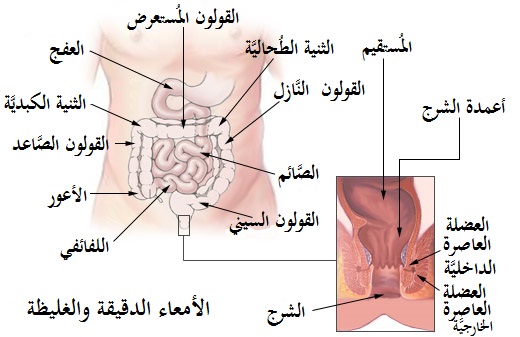
IBS may involve abdominal pain, bloating, diarrhoea or constipation, with fluctuating symptoms. NHS guidance notes that foods or stress can trigger episodes, but an obvious trigger is not always present.
Record pain and bowel patterns rather than blaming one food automatically. A clinician may investigate to exclude other conditions; calling persistent symptoms IBS is not a substitute for assessment.
Rectal bleeding, bloody diarrhoea, major unexplained weight loss or an abdominal lump requires urgent medical advice. These should not automatically be treated as an ordinary IBS flare.
Sources
- NHS · 2025-03-17