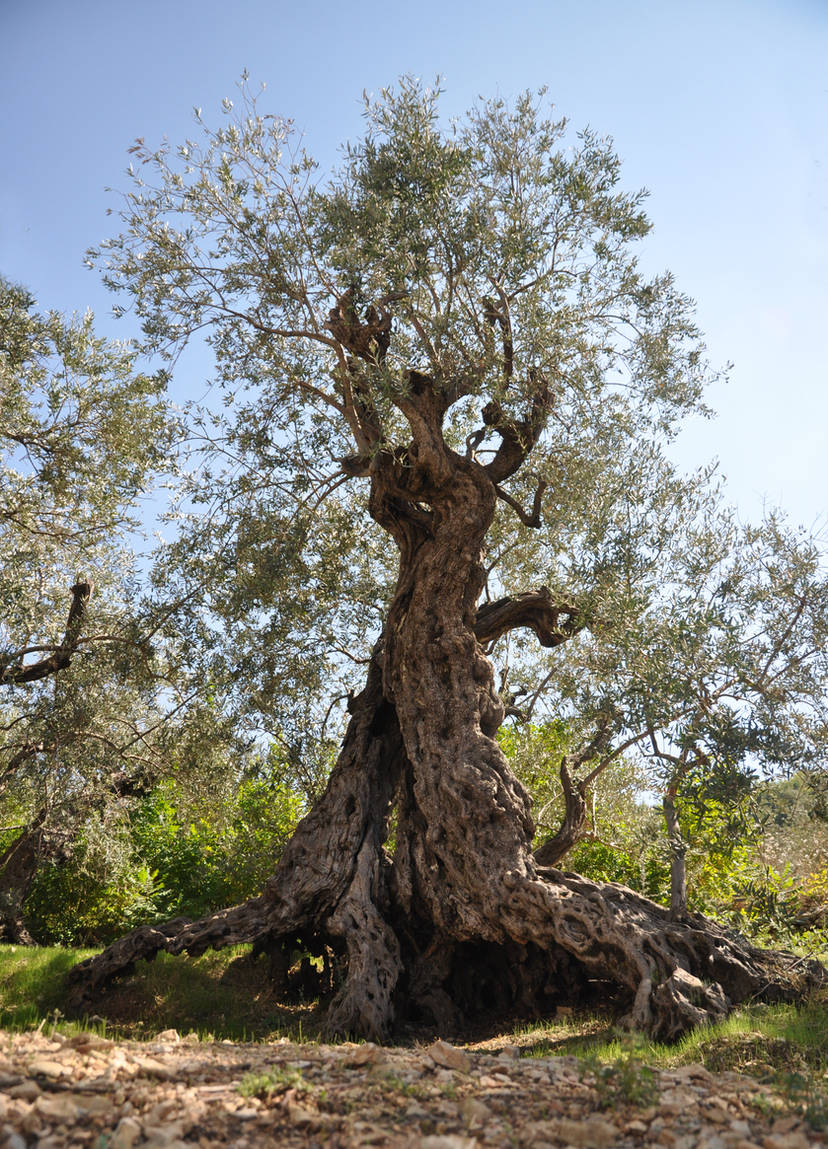
Lebanese soldiers are accompanying olive farmers into fields in southern Lebanon’s Zibqin amid persistent fears described in a Reuters report published Saturday.
Harvest time under restrictions
One resident told the agency he now limited his fieldwork to times when the army was present, while farmers described the harvest’s importance to their income. The Israeli military said it targeted Hezbollah and its infrastructure, not civilians or the Lebanese army, and was working to enable harvesting. Arab News
Protecting production alongside relief
FAO’s response announced in April shows why farmer support extends beyond supplying food after income is lost. It described damaged farmland, shortages of agricultural inputs and livestock feed, and disrupted markets, prioritizing vulnerable producers and essential inputs to sustain production. It also described coordination with the agriculture ministry and adapting work to access constraints. This provides background to efforts to protect livelihoods themselves alongside meeting households’ immediate needs. FAO Lebanon
Returns do not immediately restore income
In its August assessment, FEWS NET said reduced hostilities had allowed returns, but damaged infrastructure and assets, together with access restrictions, limited restoration of normal livelihoods. It distinguished food being available in markets from poor households being able to afford it amid high prices and limited earning opportunities. This background frames the olive harvest as a source of work and income, not simply a seasonal farming activity: access to fields and sustained production are directly connected to household recovery. FEWS NET