You can keep thousands of files and copies yet still fail to find a particular photograph or identify who appears in it. A personal digital archive addresses that gap: material should remain present, understandable and findable. This guide focuses on arranging a family collection, describing it and identifying relationships between versions; configuring backup and recovery tools is a separate subject. Drawing on library and archival guidance, it offers a small practical exercise to adapt. Begin with a manageable collection, retain originals and mark uncertainty honestly instead of inventing a name or date to complete a table.
Preservation includes meaning and continued use
The Library of North Carolina describes personal digital archiving as ongoing preservation, management and access. It distinguishes a preservation copy from an access copy used for sharing or display. When gathering photographs or documents, identify each copy’s purpose: retaining an original or preparing something to send a relative. Do not make an edited version the only route to the material. A collection can be small and selective. What matters is knowing its contents, why they were retained and how to reach them later; file count alone does not establish value or clarity. State Library of North Carolina
Inventory locations before arranging files
An archival Library of Congress report describes documenting storage media and their original locations before file transfer, preserving context. This is an institutional example, not a requirement that families use library tools. A useful adaptation is to record a disk’s origin and known contents before combining files. Note equipment or assistance needed, distinguishing material actually opened from inaccessible holdings. Do not respond to an unreadable old medium by accepting a formatting request. Preserve known context rather than making an irreversible change to the original. Library of Congress
Photographs need names and understandable context
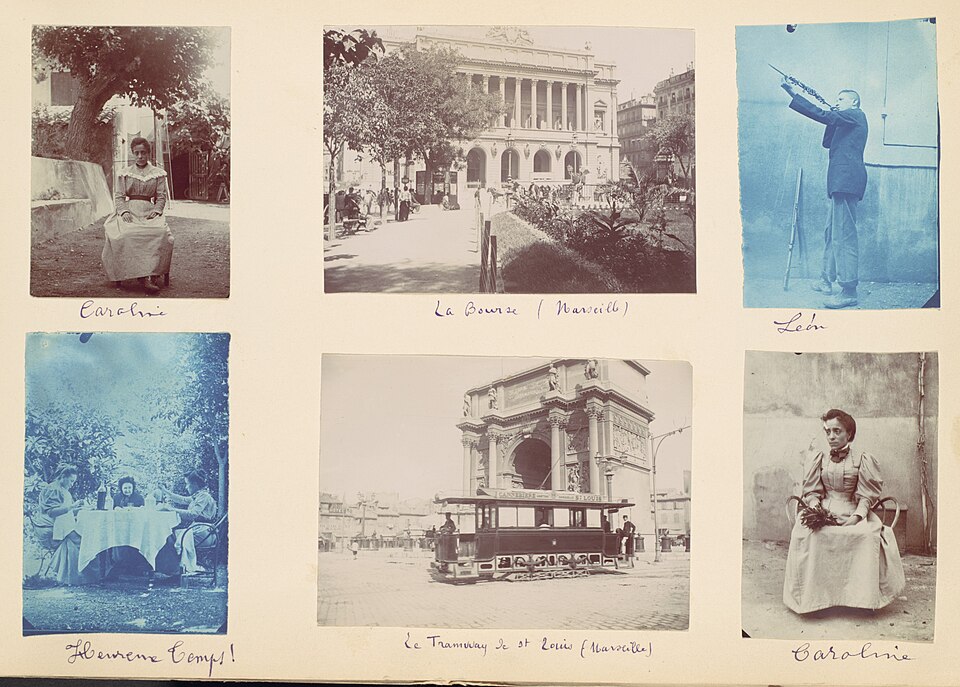
The Library of Congress recommends selecting meaningful photographs, retaining the highest-quality version when alternatives exist, and adding descriptive names and information about people and subjects. Context makes a stored image understandable years later. In your own description, distinguish a known identity from a possible one. If the occasion is uncertain, say so rather than turning a guess into a definitive title. Keep an explanation of the collection’s arrangement alongside it, instead of relying on one person to remember which vaguely named folder holds a particular occasion. Library of Congress Digital Preservation
Distinguish original footage from an edited video
The Library of Congress notes that video posted online may have lower quality than the original and recommends keeping the highest-quality version with useful descriptions. It also recognises the choice between retaining final edits and unedited footage. Record the relationship between a short edit and a longer recording rather than naming them as if identical. You may share the shorter version while retaining its source. Do not identify an original solely by file size: establish where it came from and record what remains unknown about its history. Library of Congress Digital Preservation
Keep messages, attachments and identifying details
The Library of Congress recommends exporting selected messages outside the email program, keeping attachments and message details such as subject, sender, recipient and time. An attachment alone may lose the explanation of why it was sent. Examine the export: can you open the message, find the attachment and understand their relationship? Export methods vary, so a feature labelled “archive” should not be assumed to create an independent copy. Follow the relevant service’s instructions and retain originals until you have checked what the downloaded material actually contains. Library of Congress Digital Preservation
A draft may contain information absent from the final version
The Library of Congress explains that drafts and early versions can contain details absent from final documents; selection depends on enduring value. “Old” is therefore not sufficient reason to discard a file. In a family project, a draft might preserve a corrected name or the source of an account. Distinguish versions and record why multiple ones were retained when that matters. Conversely, every automatic save need not become a separately valued record. Make the selection through the relationship between versions, not simply their last-modified order. Library of Congress Digital Preservation
Saved web material needs its source context
Library of Congress guidance recommends identifying personal content on websites, blogs and platforms, exporting worthwhile material and retaining details such as site name and creation date. Record the source link and acquisition date separately from the content’s date. Open the result and inspect whether needed images and sections are present. Saving one page does not necessarily preserve everything it links to. For a connected collection, state its boundaries: what was included and what was left out, so nobody later mistakes a selected archive for a complete copy. Library of Congress Digital Preservation
Make the index a usable finding aid
In an archived Library of Congress interview, Jon Eriksen explains the value of an accessible archive guide, recording naming and format decisions and the location of scanned originals. This is not presented as a new announcement or proof of services available today. A suggested household adaptation is a short description linking folders to content, separating known people and occasions from questions for relatives. Update it when organisation changes. Numerous fields are not the objective; maintain an accurate record that helps another reader locate material without guessing. Library of Congress
There is no single format for every kind of material
The Library of Congress lists format preferences by content type, including text, images, audio, video and data. These separate lists show that a format decision depends on what must be retained, not a universally suitable extension. They are institutional preferences to read in context, not an instruction to convert an entire home archive. Before converting, identify the elements that must remain usable and retain the source while comparing results. A new file opening successfully does not by itself establish preservation of every original feature or justify deleting the source. Library of Congress
Suggested exercise: one family trip
Choose a limited occasion rather than the family’s entire history. In this fictional example, photographs sit on two phones, a short video arrived in a conversation and a participant wrote a document about the trip. Record these groups, their locations and who can describe them. Ask a specific question: can someone familiar with the occasion locate an image and understand its source? This is not an experiment performed by Haneen, and families need not use identical arrangements. The example makes decisions testable before applying them to a much larger collection whose organisation would be harder to reverse.
Try one index record first
Suggested fields include an item identifier, description, location, source, event date if known, confidence in the description and sharing restrictions. These are proposed fields for the exercise, not a mandatory standard. Give one photograph a simple identifier and write a description understandable without opening it. Keep passwords and identity numbers out of the index. Ask whether each field assists discovery, understanding or an intended use. If its purpose is unclear, omit it from the first version rather than adding work that prevents completion of the collection. A manageable record is easier to maintain consistently.
Separate knowledge from conflicting memories
One relative may recall a particular summer while another remembers a different season. In this example, do not select an account merely because it sounds more complete or persuasive. Attribute each recollection and mark the event date unresolved until evidence or a documented agreement is available. If a name is corrected later, retain a brief correction note rather than erasing the history of the decision. “Unknown” is preferable to misleading precision. An archive is not a memory examination: it retains the material together with the limits of what you know about it.
Choose understandable names without exposing private details
You might combine an occasion label, item identifier and version number. Every person’s name need not appear in the filename if the appropriate index records them. Try the pattern on a few files and ask someone authorised to see the collection what they understand from it. Revise names that make sense only to you before expanding. Retain the relationship between a new name and the name under which you received the file, especially when another family member still has that original version. Do not alter extensions for tidiness or rename the entire original collection before testing the plan.
Distinguishing versions is not an automatic deletion decision
Compare similar photographs before calling one a worthless duplicate. One may have been cropped for a message while another is the version supplied by the photographer. In the proposed index, describe the relationship: access copy, edited version or uncertain origin. Every question need not be settled in the first session. Keep unresolved items on a review list and retain the original files. This produces visible progress in description without making every step dependent on removal that could be difficult to reverse. Once the relationship is understood, selection can be an informed, separate decision.
Make sharing a separate step
After arranging the material, choose what you actually want to share and with whom. A landscape photograph from the trip might suit the family group while another document includes information you do not want circulated. Record sharing separately from retention: keeping a file does not mean deciding to publish it. Where descriptions identify others or include personal accounts, discuss intended sharing with them when appropriate. This is a practical distinction, not a comprehensive legal procedure. It prevents the mistaken assumption that everything carefully preserved belongs in a publicly accessible album or widely distributed folder.
Test discovery through the index
Choose a question that does not require knowing the file’s location already, such as finding a group photograph or the complete video. Start from the index, record the route and establish whether you reached the intended item. Do not stop at an opening folder: read the description, open the appropriate access copy and compare it with the request. If the index points to another file, correct the relationship and repeat the small test. Keep unresolved identity or date questions separate from a broken location reference. They are different kinds of work, and fixing one does not resolve the other.
Write a handover another person can use
Explain the collection’s contents, naming arrangement, index location and items awaiting review. State how an authorised person can reach someone who knows missing information, without putting access secrets in the note. Choose a reason to revisit the arrangement, such as adding a collection or transferring material to another device. Do not call the archive complete while known sources remain outside it. Describe the completed collection’s boundaries instead. A clear handover prevents repeated searching for parts that another person assumed had already been examined and helps preserve the reasoning behind earlier decisions.
What should the exercise produce?
The intended outcome is not a large tally of classified files. It is a defined collection whose boundaries, contents and relationships you can explain. Retain open questions and the naming, version and sharing decisions that worked in the exercise. Apply the pattern to another occasion, adapting where necessary. Success with one small collection does not establish completion of the whole archive, and long-term preservation is not a one-off action. The linked guidance supports continuing care, while the practical record shows what has actually been done and what still needs attention.